
Topics
Within the ETY project, we mainly focused on three global challenges which connect to the Sustainable Development Goals (SDGs) as formulated by the UN, namely:
The core of empowerment (see Learning Theory) is the same for each of the challenges, namely: empowerment = knowing + participating + caring + acting, and feeling capable of doing all of this. Though we focused on climate change, ocean sustainability and global citizenship within this project, empowerment is possible about each global challenge. Below you find an overview of the chosen topics and how to empower specifically about these topics.
Climate change
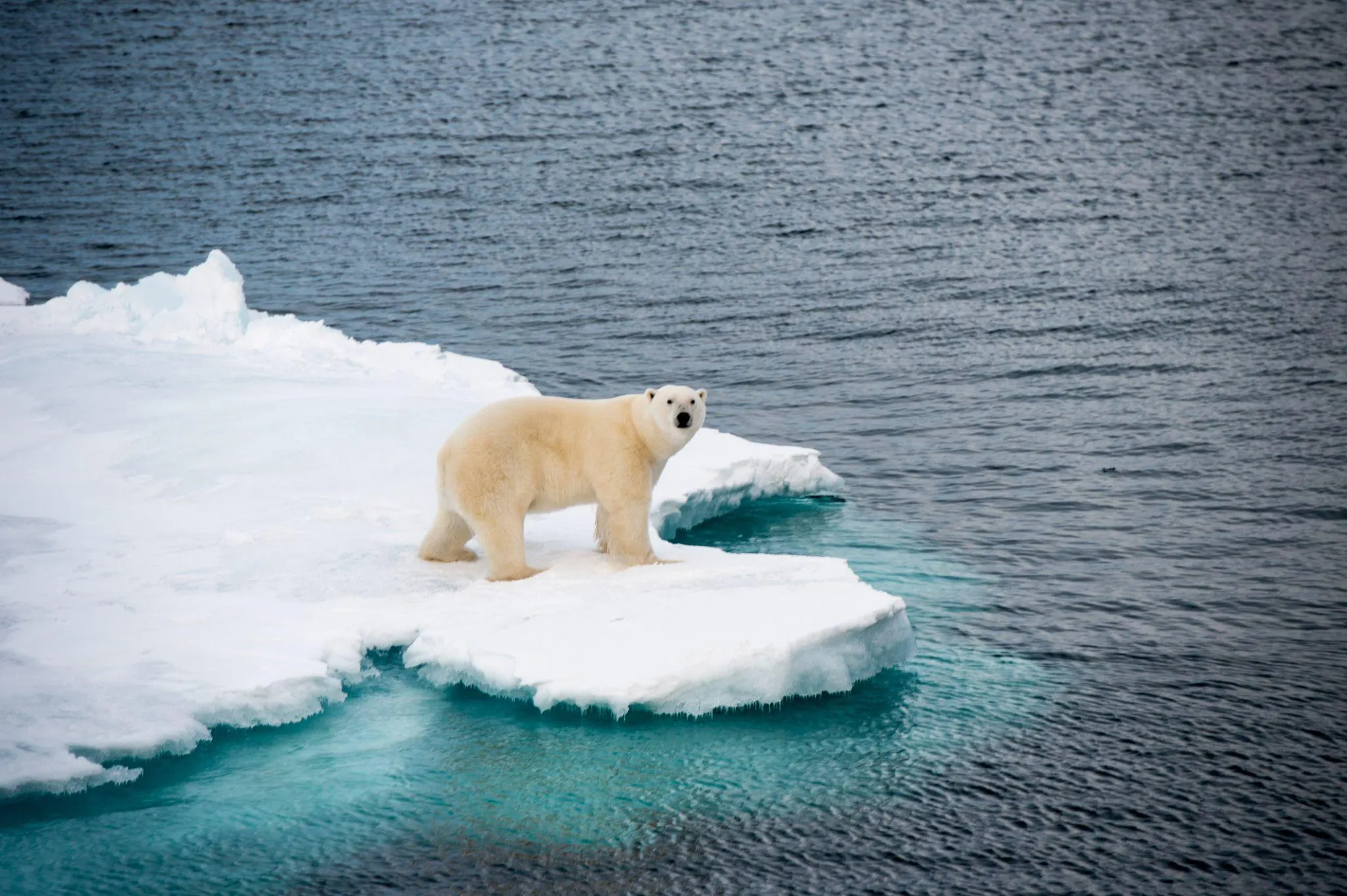
In short, climate change is a change in the weather patterns across planet Earth over a long time. This change occurs naturally, but due to humans this change is happening faster. People can harm nature and the climate, but they can also help to protect it. That includes you!
Important elements of climate change are that climate is something else than weather (it’s long-term), that humans have a role in it, and that it is a phenomenon affecting the whole earth system. Empowerment can come in the form of adaptation (dealing with the effects) and of mitigation (reducing our impact).
- Check out our complete climate change definition, with practical examples of what children can do (coming soon)
Citizenship
The Council of Europe states that citizenship is “all about being an active citizen and getting involved as a member of a community”. Young children have to know their rights and duties and the values of the society. They also have to train competences that resonate with these values, rights and duties.
In short, the goal is:
- Being a responsible citizen — taking responsibility for your community and your city (for example sustainability, recycling, cleaning up the environment) and following the rules and norms of society.
- Being an engaged citizen — participating in democracy, such as voting.
- Being a socially just citizen — making society a better place for everyone, through inclusion, diversity and equality.
Read more:
- The Convention on the Rights of the Child — children’s version, for example right 13, sharing thoughts freely: children have the right to share freely with others what they learn, think and feel, by talking, drawing, writing or in any other way, unless it harms other people.
- Child participation in political and democratic life — European Commission
- Rights of children explained to children — UNICEF
- SDGs explained for kids
The Ocean
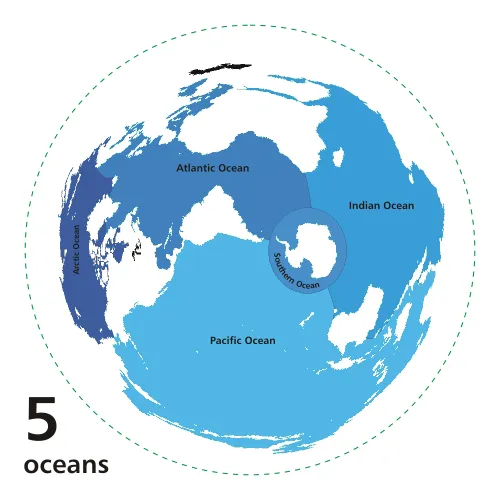
We chose this topic because of the United Nations Decade of Ocean Science for Sustainable Development. The aim of this program is to bring science, education, communities and decision-makers together to protect the ocean and use its resources in a more sustainable way.
The important elements of the ocean decade are a number of desired outcomes and challenges. That’s a lot, but children do not need to solve global ocean problems. Instead, they need opportunities to understand, care, participate and act in ways that are appropriate for their age.
Through stories, games, experiments, art and everyday routines, teachers can help children build ocean literacy and feel part of the Ocean Decade.
- Read more about the Ocean Decade and ocean empowerment for children aged 4–8 (coming soon)