News

project

Progress Report: Good!

We are very happy to have received great feedback from the Erasmus+ team on our progress report about this project. The overall score of our report was ‘good.’ This means we have got a ‘green’ flag and can continue. Whoohoo!

We quote: “The Progress Report shows in a very well-written way what progress has been achieved in the first project year. The report gives a clear insight in the progress made so far. The beneficiary shows that the project is well on its way and the planned activities and results have been carried out.” With this feedback we feel confident and proud to continue.

project

Teacher Training

Empower the Young with Talking Objects: Training for Educational Professionals Are you working with children aged 4 to 8 and looking for new ways to spark curiosity, agency, and meaningful conversations on global challenges? Join our upcoming training Empower the Young with Talking Objects! A hands-on, inspiring session based on the latest insights from our European project. Discover how playful technology, interactive objects, and creative learning strategies can help young children explore global challenges, express themselves, and feel truly empowered. You’ll experience the innovative Tellmies, exchange ideas with fellow educators, and walk away with activities you can use immediately in your classroom, museum, or learning environment. The first training sessions are scheduled at Naturalis on Monday, September 29 and Friday, October 9, 2026. Would you like to be notified as soon as registration opens? Leave your email address here. Trainings will be held in Portugal and Belgium too.

tech
Testing the prototype

Testing the prototype

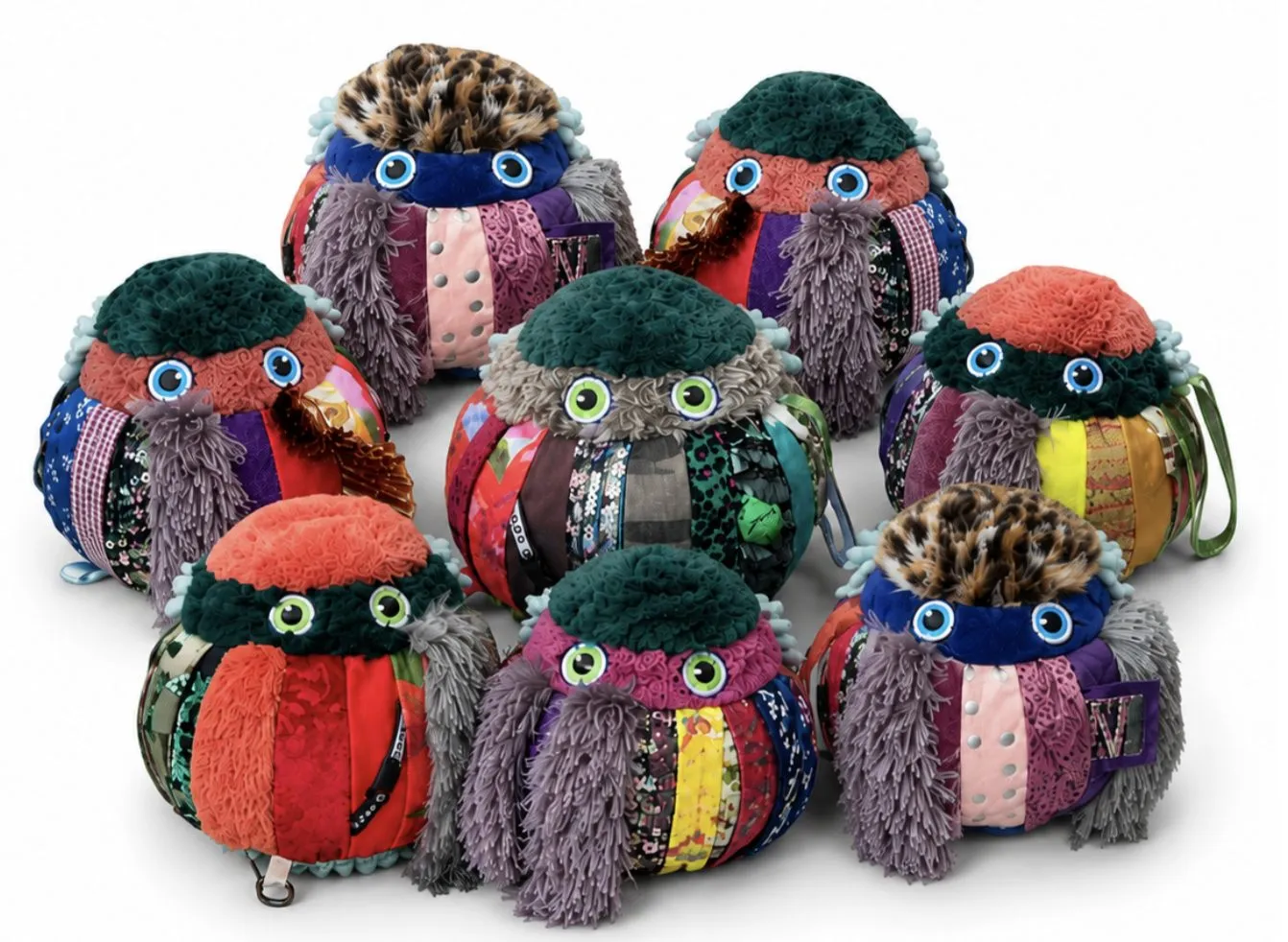
After testing, we will be refining the Tellmie prototype into production Tellmies with a focus on usability, durability, and flexibility.

Key updates include making the furware smaller and lighter, using fully washable materials, improving the stability of the tech module for better interaction, and repositioning key elements such as the eyes. At the same time, we aim to support a wider variety of materials and visual identities across partners, while balancing this with practical considerations.

On the technical side, we are introducing a way to conveniently choose activities, allow adjustments to beacon settings, volume, and enable administrators to update audio, languages, and tour content.

We are also exploring improvements in interaction design for workshops, to make user actions more fun and intuitive for all users.

Several questions remain open. Like how we make interactions like pausing or repeating audio work in practice? And what is the ideal role of Tellmie within workshops? These points will be addressed together with partners in the next phase.

project
First test results

First test results

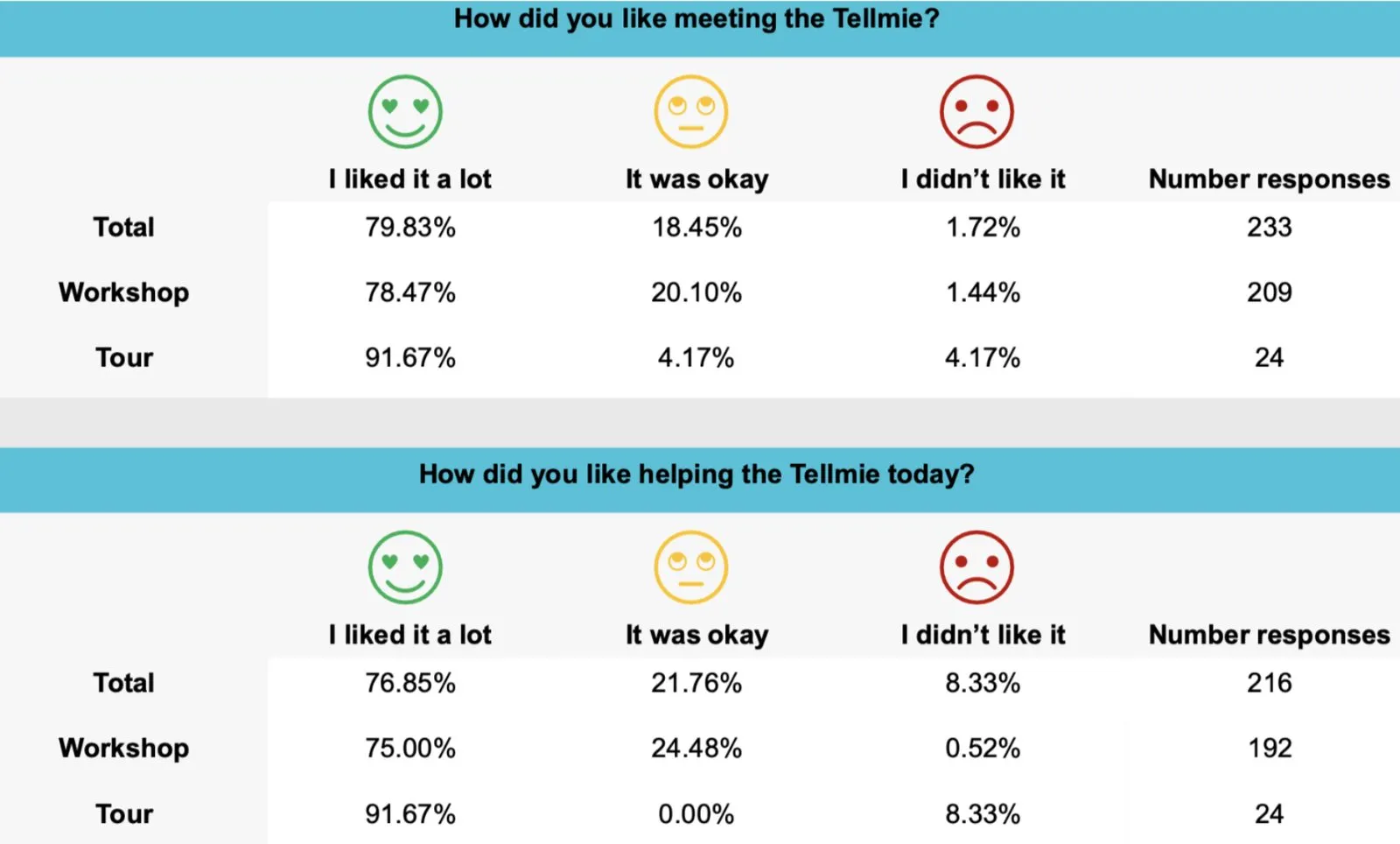
The first testing round of the Tellmie prototype has officially taken place and what an exciting step it was! Across the Netherlands, Belgium, and Portugal, children met Tellmie for the very first time, in both schools and museum settings. And the response? Immediate curiosity and enthusiasm. Children were eager to touch, hold, and interact with Tellmie, often laughing, asking questions, and fully engaging in the activities. In many cases, they didn’t just listen to Tellmie’s story, they wanted to help, think along, and share their own ideas. Educators also saw the added value right away. Tellmie helped to capture attention and made it easier to start conversations about topics like climate change in a way that felt accessible and engaging for young children. Of course, testing also means learning. We discovered that shorter, simpler language works best, that timing and flexibility in interaction are key, and that Tellmie can play an even stronger role throughout the entire activity. All in all, this first round showed exactly what we hoped for: Tellmie has the power to spark curiosity, connection, and meaningful conversations. We’re excited to take these insights forward and continue improving together.

content

How we empower the young

One of the core values at the heart of the Empower the Young project is empowering. But what does that mean in practice? Within ETY, empowering is about helping children feel that they can make a difference. We approach global themes like climate change and citizenship in a way that is hopeful, age-appropriate, and close to children’s own experiences. Instead of focusing on problems alone, we emphasise what children can do — in their classroom, at home, or in their community. We bring this to life through playful and interactive learning experiences. Children explore topics through storytelling, hands-on activities, and conversations guided by open-ended questions. Tools like the Tellmie help to spark curiosity and invite children to share ideas, reflect, and think together. This creates space for children to take ownership of their learning and to see that their thoughts and actions matter. At the same time, we support teachers and educators with concrete tools and guidance on how to facilitate these conversations. By combining structure with flexibility, educators can respond to children’s ideas, encourage initiative, and build confidence step by step. In this way, empowering is not just about what children learn, but about how they experience learning: as something they are part of, something they can influence, and something they can carry forward beyond the classroom.

project
International testing

International testing

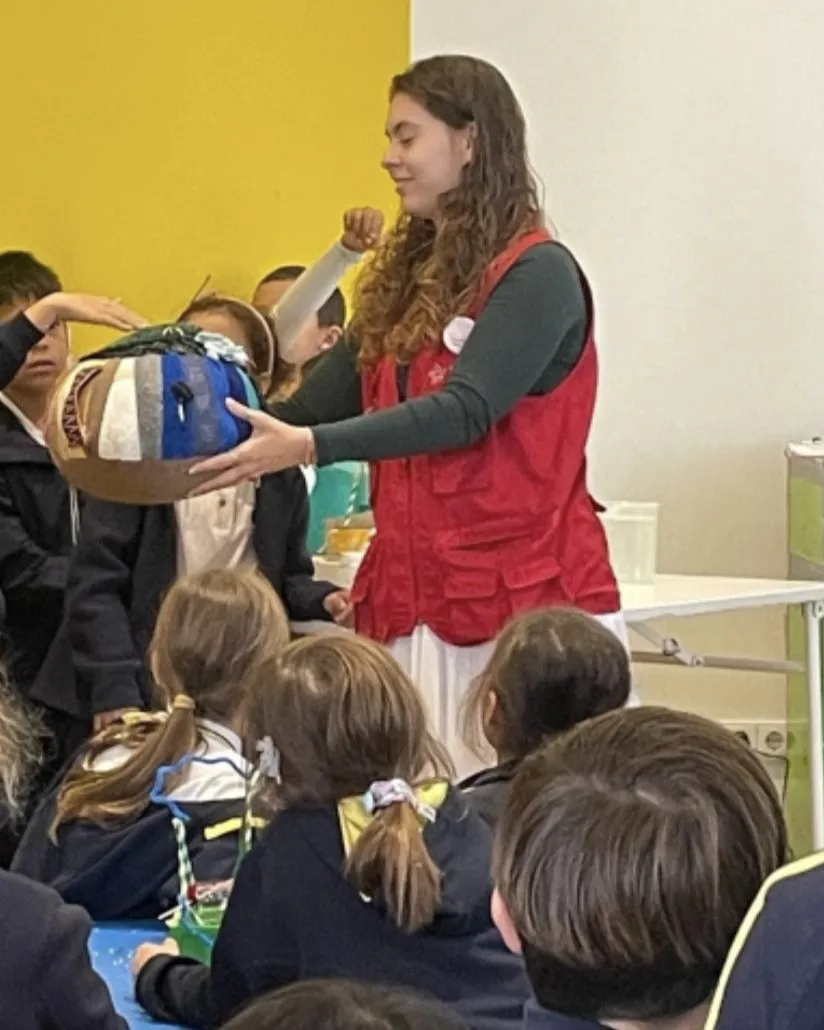
From 26–28 December 2025,the consortium partners gathered in Faro, Portugal, to review project progress and, for the first time, jointly observe Tellmie being tested in two new English-language settings. The testing included a family tour on climate change within the main exhibition at Centro Ciência Viva do Algarve, as well as a school workshop focused on water scarcity. The workshop was delivered to a Grade 2 class from Vilamoura International School. Guided by Tellmie and supported by an educator, children explored climate change through hands-on activities centred on water conservation and reuse. Using recycled and reused materials, pupils designed and tested simple water-collection systems and shared everyday ways they save water at home. Across both sessions, engagement and motivation were high. Tellmie’s appearance, voice, and age-appropriate English proved especially effective in capturing children’s attention. Physical interaction with the creature encouraged participation, creativity, and collaborative problem-solving, highlighting Tellmie’s strong potential as an engaging tool for introducing young children to complex topics such as climate change, sustainability, and citizenship.

Tech

Building a functional prototype

At this stage in the development of the Tellmies, our team has been working hard on creating a functional prototype to begin testing. From experience, we know that users both children and educators only truly understand what a Tellmie is once they can actually hold one. That’s the moment when its possibilities, as well as its limitations, become clear. Giving the Tellmies a voice. A key part of building the prototype was transforming our written scripts into audio. Because we’re working with multiple languages and wanted to move quickly, we chose to use artificial (AI-generated) voices for now. This also allowed us to experiment with different voice types, including male, female, child, and gender-neutral voices. However, this approach also revealed some challenges. The Tellmie software works with separate audio blocks that connect in different ways depending on user interaction. While human voices naturally maintain consistent intonation across these blocks, artificial voices don’t always do so as smoothly. Longer audio segments generally sounded fine, but transitions between blocks were sometimes noticeable at least to us as makers. Whether users experience this in the same way is something we’ll learn more about during the evaluations. Sometimes less is more. Another insight from turning text into audio was realizing that some content is simply too long. Finding the right balance between sharing knowledge and holding attention is challenging and exactly why thorough testing is so important. What’s next? We’re looking forward to diving into the evaluation results and analyzing what we’ve learned from the prototype. Together, we’ll use these insights to decide on the next steps toward producing the eight Tellmies planned for the next phase.

Partner

Centro Ciência Viva do Algarve (CCVAlg)

The Centro Ciência Viva do Algarve (CCVAlg) promotes interactive, hands-on learning experiences that encourage curiosity, critical thinking, and lifelong learning for audiences of all ages.

In a world facing rapid scientific, technological, and environmental change, CCVAlg believes that science must be experienced, questioned, and shared. The centre works to strengthen its role as a regional platform for scientific, cultural, and economic development, fostering closer connections between research, education, and society. Its vision is to inspire and mobilise citizens through science, empowering them to engage actively with contemporary challenges.

CCVAlg’s mission is to promote active citizenship grounded in scientific knowledge. Through inclusive and collaborative initiatives, the centre seeks to surprise, inspire, and engage diverse audiences, encouraging creativity, curiosity, and informed participation in society.

CCVAlg is actively involved in science communication and outreach initiatives such as temporary exhibitions, science fairs, science cafés, hands-on educational activities for schools, and outdoor learning experiences. Recent projects address key themes including sustainability, climate change, marine litter, underwater cultural heritage, and social inclusion.. Supported by a multidisciplinary team and a strong partnership network, the centre plays a key role in the effective transfer of scientific knowledge to both academic and general audiences.

Partner
Go Wonder

Go Wonder

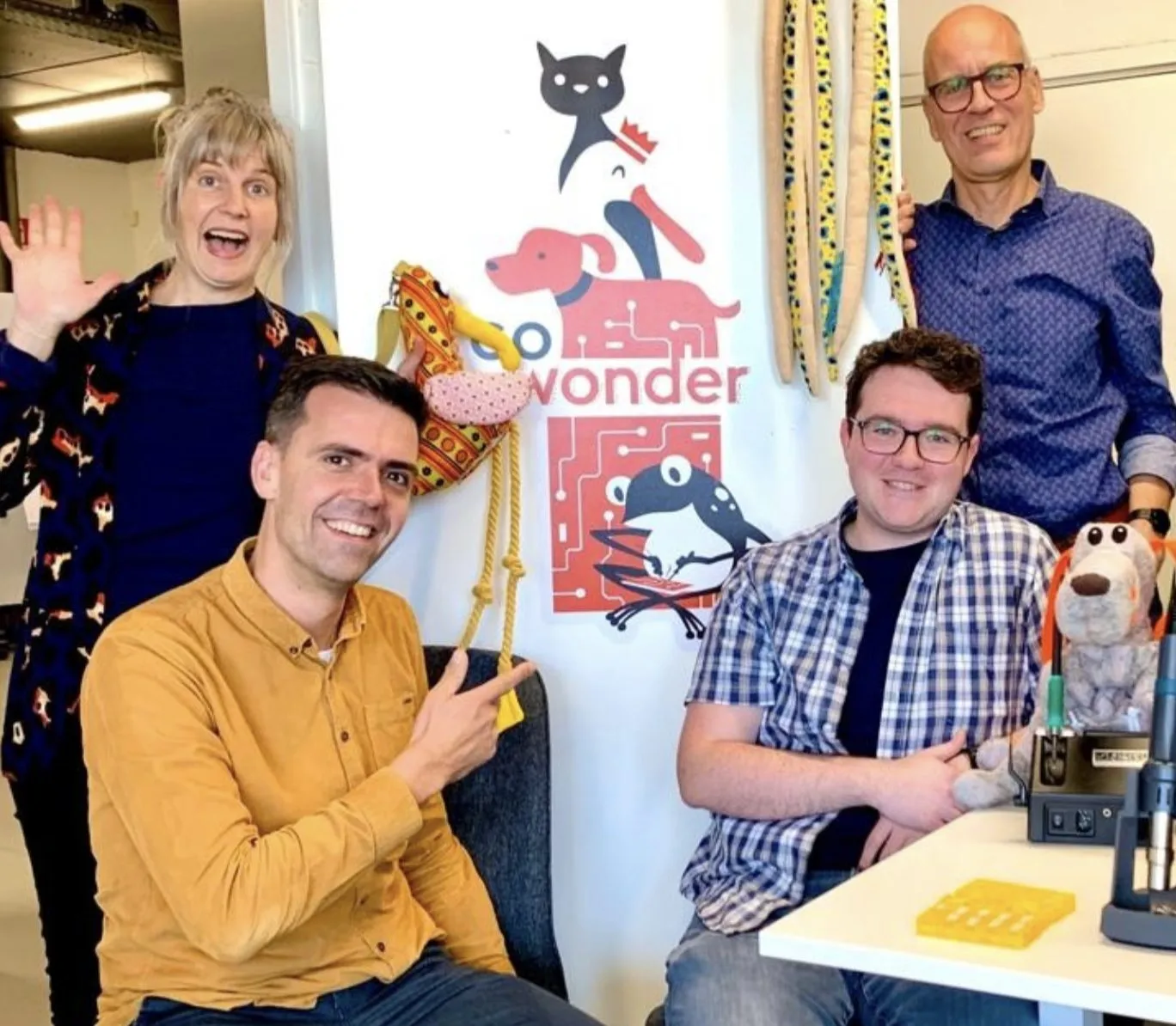
Go Wonder designs, develops and produces unusual interactive and playful products for education and entertainment. We prefer tangible and tactile solutions that use sound, movement or light over screen based technologies .

Our world goes through a rapid process of digital transformation. In this process we often find that screens are the preferred agent to convey content. Don’t get us wrong here: We do love technology! But we struggle with the ‘flatness’ of screens. They often lack the magic we strive for. So we push ourselves to create digital experiences that are as connected and interactive as screen based technology - but are also magical, social and tactile. Technology to cuddle, sense, pet and befriend. Go Wonder!

To marvel and surprise. Actually, that’s all we want. So together with various organizations we search for wondrous technical solutions that add that magical and tactile touch to education or entertainment.

Tellmies are our most known product. Various museums and libraries use Tellmies to educate, entertain and make their visitors feel welcome.

Tech
Development phase has started

Development phase has started

For the Tellmie we are developing in this program, we have recently been focusing mainly on the development of the content side. We are working on two formats and scripts. Each format requires a different type of interaction and flow. Workshop on Climate Change – This can be used by groups of children or families, as well as by school classes. Tour on Climate Change – This can be used by families visiting the two museums that are part of the consortium.

Workshop Format Together with all consortium partners, we have been working on the format for the workshop. Each organization provided input on what the Tellmie should be able to do, say, and which activities are suitable for the children to carry out during the workshop.

For Go Wonder, this is the first Tellmie we are creating specifically for use in a workshop setting, so we are very curious to see the test results!

Tour Format Development for the tour has also started. In collaboration with Naturalis and CCVA, we are creating a format that works for both museums. They will then be able to fill in the content themselves.

Go Wonder has already created several tours for different museums, so we have a better idea of what works and what doesn’t in that context.

Testing The workshop and the tour formats and scripts will first be tested in the Netherlands (by Wismon and Naturalis), followed by tests in Portugal in November during the next live consortium meeting (and after), and finally, BAMM will conduct tests at their location in December. Based on the test results, we will adjust the interaction, activities, and/or the Tellmie itself beginning next year.

Other topics For the other topics, like citizenship, we will use the same format, but with a different script (texts). We will develop this later this year.

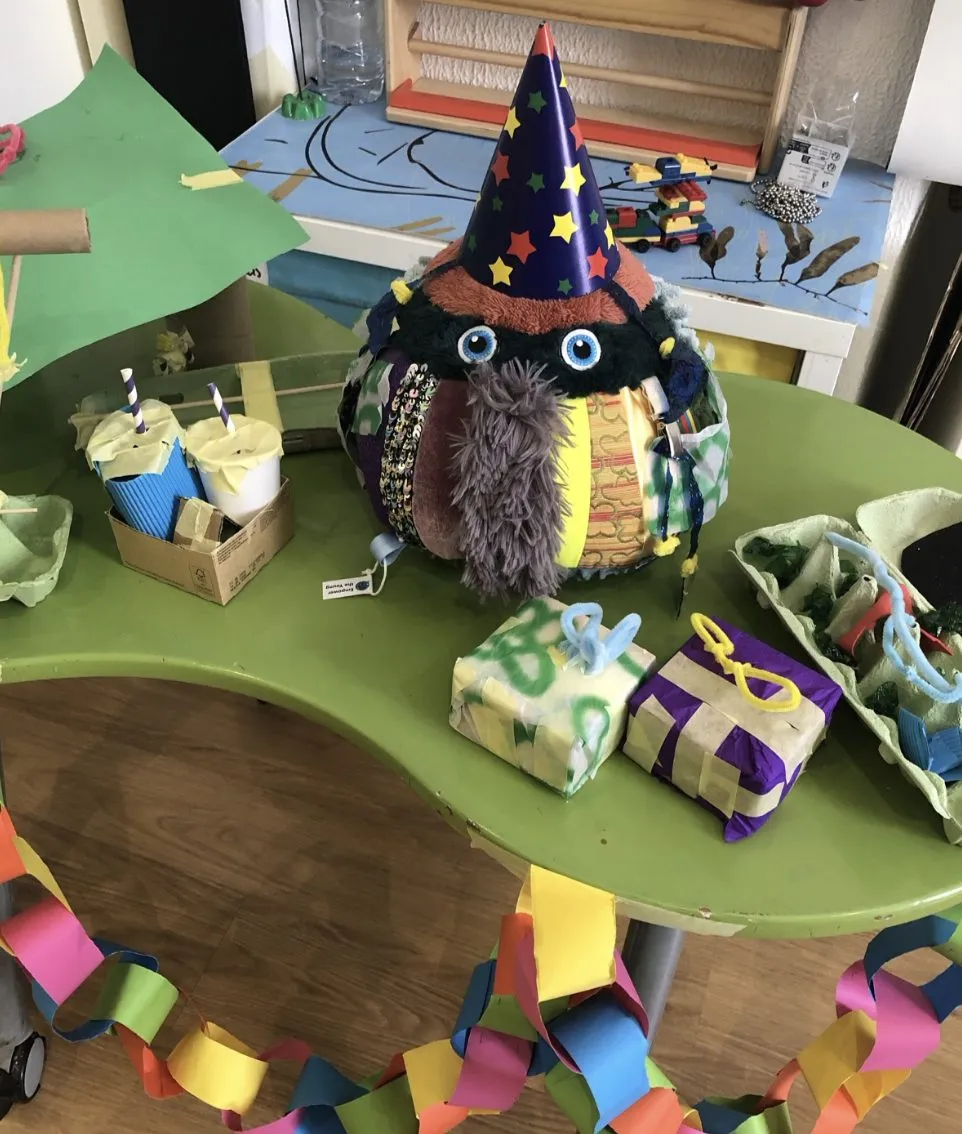
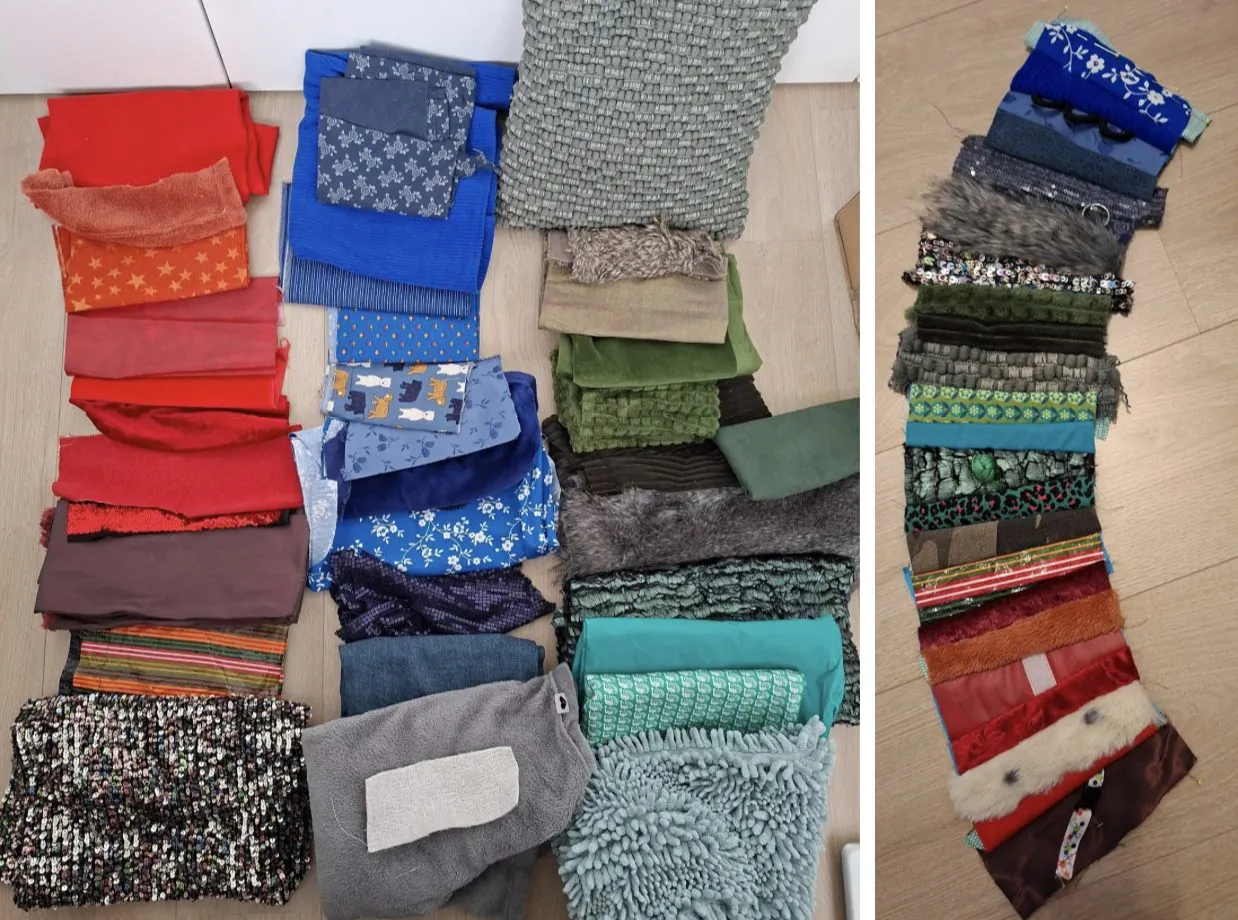
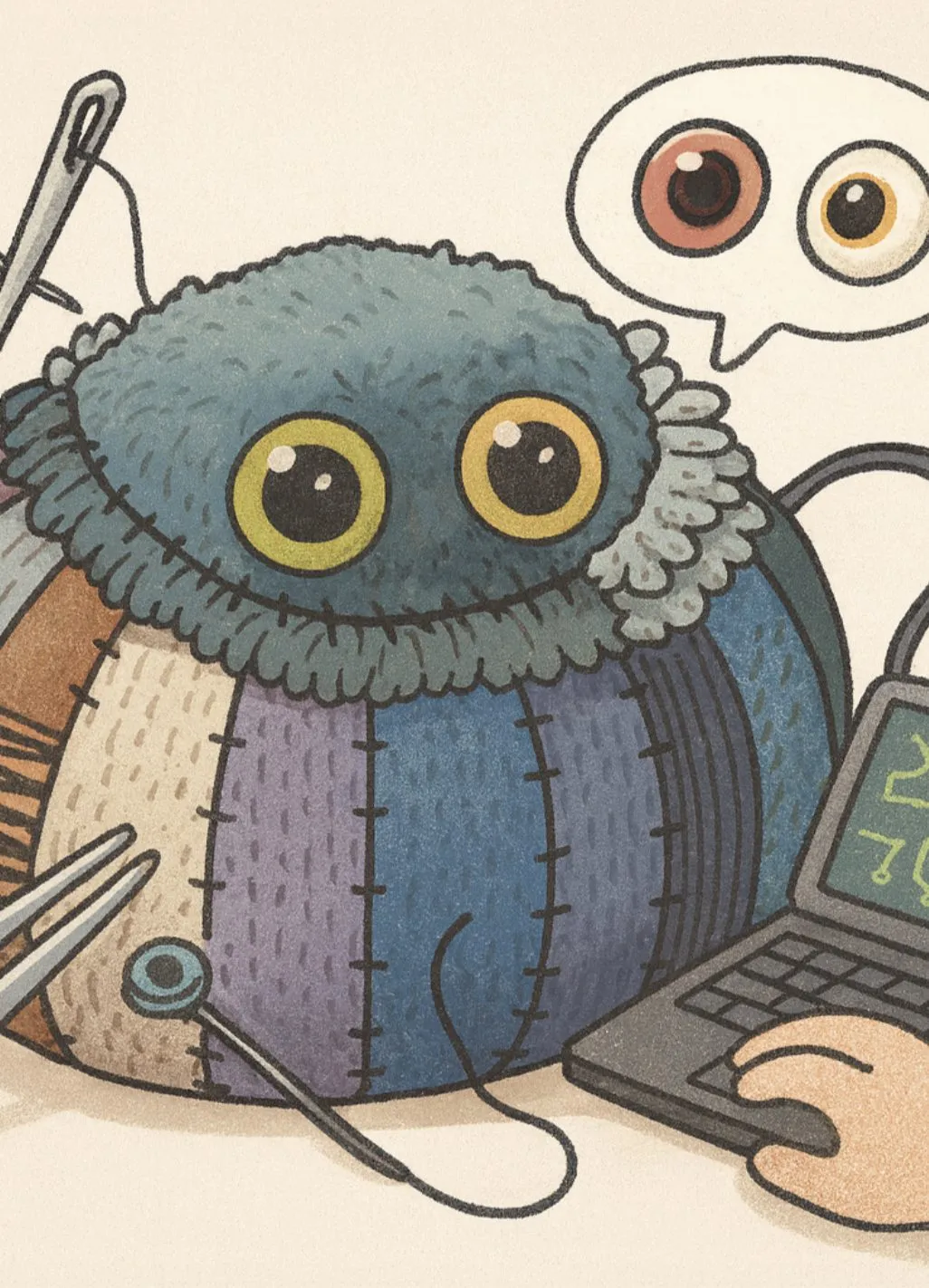
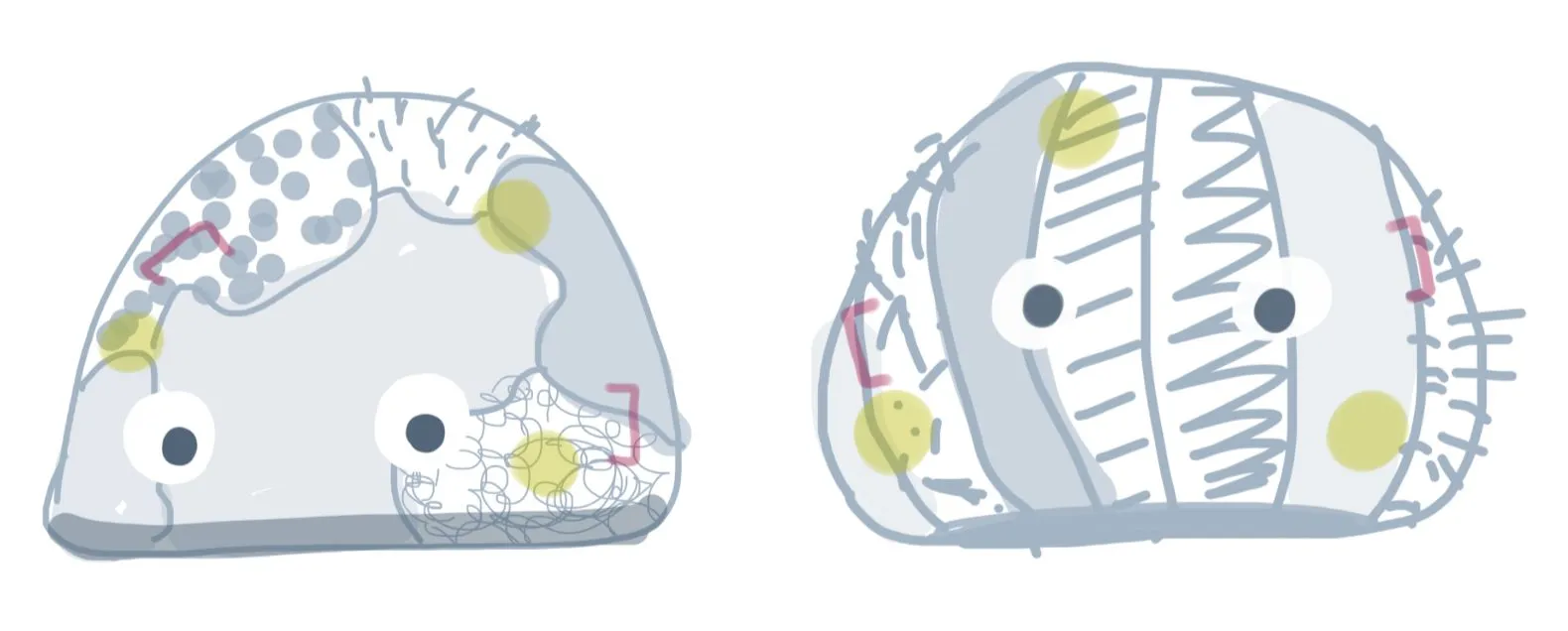
Furware Alongside the content development, our seamstress is also working on a prototype of the furware. We will use a ‘bloblike’ creature that triggers imagination and is made from different materials - all secondhand.

content
From Brainstorm to Framework: Building the Foundation of Empower the Young

From Brainstorm to Framework: Building the Foundation of Empower the Young

The journey to shape the educational foundation of Empower the Young has been both collaborative and inspiring. Together with our partners from Portugal, Belgium, and the Netherlands, we’ve created something we’re truly proud of. It all started with one essential question:

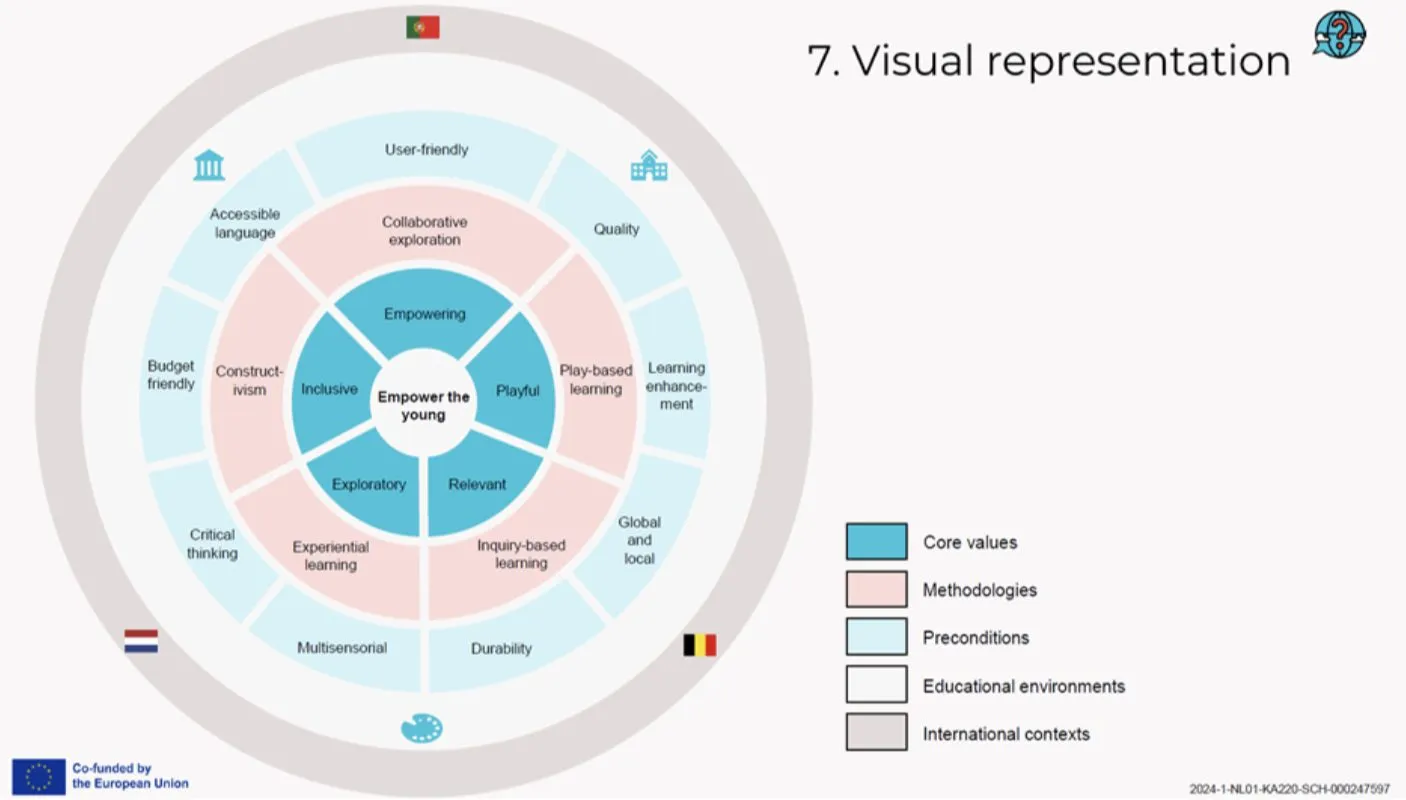
What really matters in learning? From our very first (online) meeting, we gathered ideas across countries and contexts of joy, play, curiosity, inclusion, and more. These became the seeds of our shared Learning Manifesto. In-person in Leiden, we rolled up our sleeves and worked together to define five core values that now form the heart of our educational vision.

To ensure our approach reflects both ambition and real-world practice, we explored how learning happens in each partner country: What’s typical in Portuguese classrooms? How do museums shape learning in Belgium? What support do Dutch teachers need around citizenship and sustainability? We paired this with a focused dive into educational research especially around early childhood development. How do we nurture critical thinking, intrinsic motivation, and meaningful engagement with global issues?

From this rich mix of context, theory, and practice, we developed our Educational Framework: a hands-on guide that brings together core values, pedagogy, and design principles. It’s our shared foundation created with schools, museums, and educators and it will guide all learning experiences throughout the project. We’re excited to see this framework come to life in classrooms, workshops, and museum spaces across Europe.

Partner

Studio Kabritu

At the heart of every successful initiative lies a compelling story. As a dynamic and agile SME, Studio Kabritu specializes in shaping the communication and dissemination strategies of projects and products, ensuring that great ideas don’t just stay on paper, but reach the audiences they are meant to inspire. Studio Kabritu offers end-to-end support, offering guidance and creative input every step of the way. With more than 15 years of experience in designing and developing websites, we ensure that the message reaches the outside world through powerful digital platforms. Our experience spans borders. Working with national and international partners, Studio Kabritu thrives on collaboration. We believe that transformative change happens when ideas are made accessible, inclusive, and well-communicated.. Within the Empower the Young project, Studio Kabritu is a proud partner to work on the communication and dissemination of the great educational project, encouraging the consortium to collaborate within their own communities on the wonderful products and activities of this project to make sure these are all supported by the people they are meant for.

Partner
WIsmon

WIsmon

WisMon is a Dutch education institute focused on STEM, science and technology. With a dedicated team and over 15 years of experience, WisMon works to strengthen education and prepare students for the challenges of the future.

WisMon started as an institute in providing deficiency courses and professional development programmes for teachers in both primary and secondary education. WisMon has grown into an organisation who supports schools and organisations with strategic advice, implementation programs, and the development of future-oriented open learning materials.

WisMon’s work is centred around making STEM education meaningful and engaging. Their expertise lies in numeracy, digital literacy, and 21st-century skills, with a strong emphasis on experienced-based and design-based learning. In addition to working with schools, WisMon supports companies and foundations in creating and delivering educational and implementation programmes that make real impact.

A strong fit for the Empower the Young project, where WisMon led the development of the educational framework and now coordinates the evaluation and implementation across the partner countries.

Partner
BAMM

BAMM

BAMM is a Belgian non-profit organisation focusing on arts education and cultural participation for children and young people aged 2.5 to 30. With four subdivisions (Bazart, AmuseeVous, Mooss and Mastiek), many innovative projects and more than 40 years of experience, they stimulate and organise a wide range of quality encounters for young people with art and cultural heritage. BAMM is active throughout Flanders and participates in numerous international projects. They are guided by the conviction that art is important for the development of young minds.

Mooss works with children both in and outside school in music, visual art, theatre and audiovisual art. They provide training for teachers, educators and others working with children. They have extensive experience with vulnerable audiences.

Bamm/Mooss developed its own methodology centred on constructivism. The theory is based on several learning theories (G.Hein, H.Gardner, D.Kolb, M. Csikszentmihalyi, …) The book is a standard work on art education and is used at several universities.

Partner
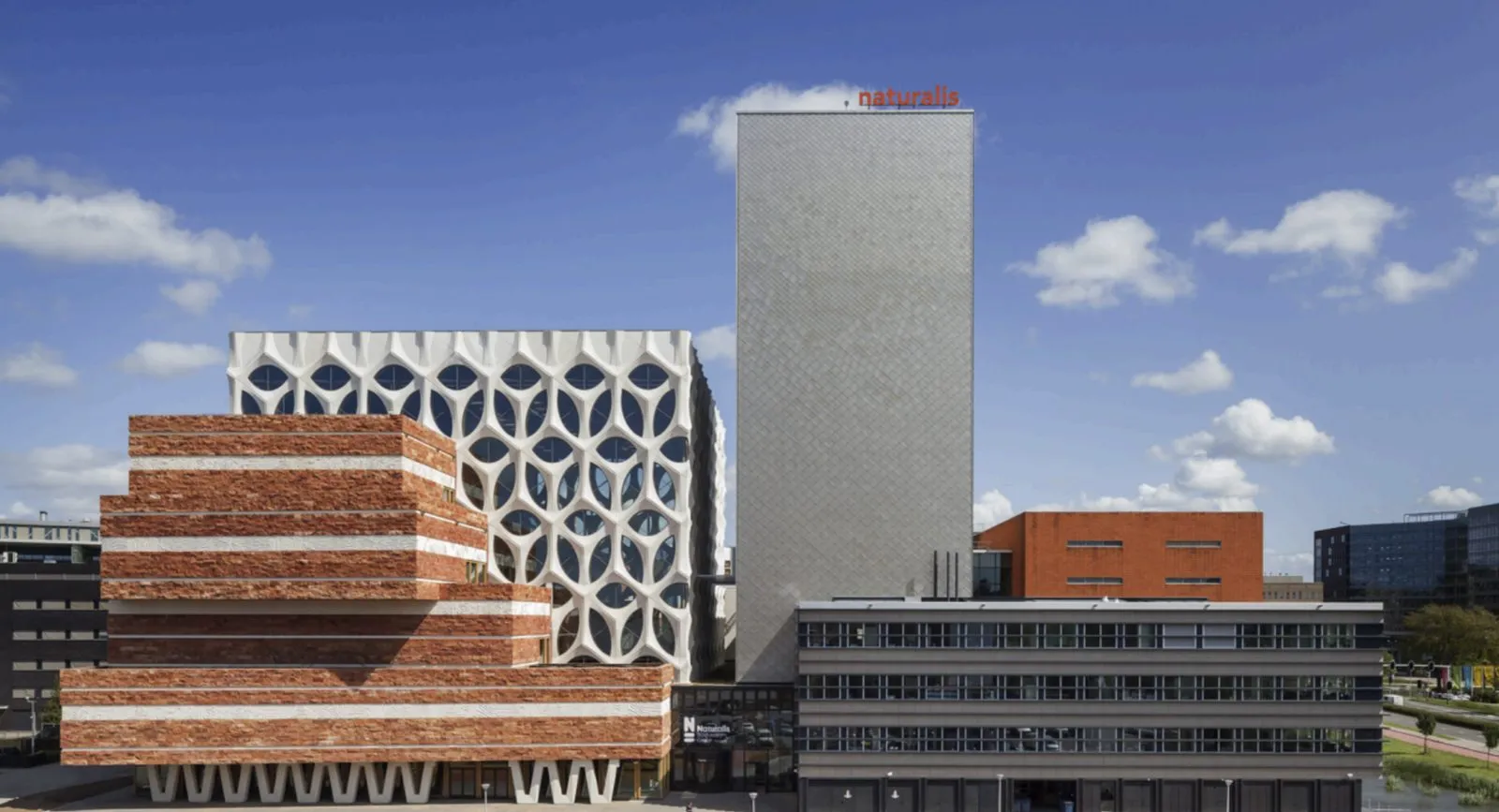
Naturalis

Naturalis

Naturalis is the Dutch institute for biodiversity. It counts approximately 1100 employees and is a museum besides research facility with 150 researchers and 13 professors.

The museum houses 10 exhibition halls, three workshop rooms for educational purposes and one big open space called LiveScience. LiveScience can be visited free of charge. Visitors are encouraged to engage into conversations with the researchers and staff as they perform their daily research activities. and preparing dinosaur-bones.

In the museum Naturalis provides educational programs for families, primary and secondary education. Naturalis has a lot of expertise developing materials for both formal and Informal education. A perfect match for the project Empower the young in which Naturalis is project coordinator and responsible for the development of all learning material for teachers and educators.

Tech
Concept phase

Concept phase

Creating a Tellmie is a bit of a journey and Go Wonder always walks that path together with the other partners. But this project is a bit more complicated than we normally tackle… We always kick things off with the orientation and concept phase, where we explore the possibilities together. What shape could the Tellmie take? And what’s its mission? How do we realise the educational goals?

Versatile Now, in this particular project, things are a bit trickier than usual. Why? Because we are working with multiple partners, tackling various topics, and planning to use the Tellmie in all sorts of settings: museums, workshops and schools. So, the Tellmie has to be super versatile and offer some flexibility for partners to adapt it to their wishes.

Hands-on! During our first meeting in the Netherlands, we dove into some hands-on creativity with all the partners. We played around with clay, stuck random bits onto other bits, and discovered that the fitting design could be pretty abstract. Think something like a Barbapapa!

When it came to interaction, we were all on the same page quickly: of course, the Tellmie should talk, play audio and respond to touch (and maybe even movement, like tossing it from one person to another!), and be aware of its location so it can share place-specific stories.

Next up We’re co-creating a concrete storyline themed around climate change for a workshop setting and a design proposal to get a seamstress started. Of course: we’ll keep you posted!

content

Global challenges for young children

Solving the problem of climate change and being an engaged citizen; these are two challenges of today. In this project we set ourselves the challenge to discuss these topics with young children. And young children are masters of creative thinking. To find the best way to engage them in big challenges, we have started a search for good examples to follow.

One example worth mentioning is the clay animation film ‘Savages’. The film is set in Borneo where two children and an orangutan resist the arrival of palm oil plantations.The film tells us the important lesson that the truth, although not always pretty, can already be shared at a young age.

Another good example is the film ‘The Lorax’ where the young audience gets an important message delivered: ‘Unless someone like you cares a whole awful lot, nothing is going to get better, it’s not.’. These films, and other sources of inspiration like books, performances and exhibitions will help us to make a good educational product relating to the global challenges.

project
Project kick-off

Project kick-off

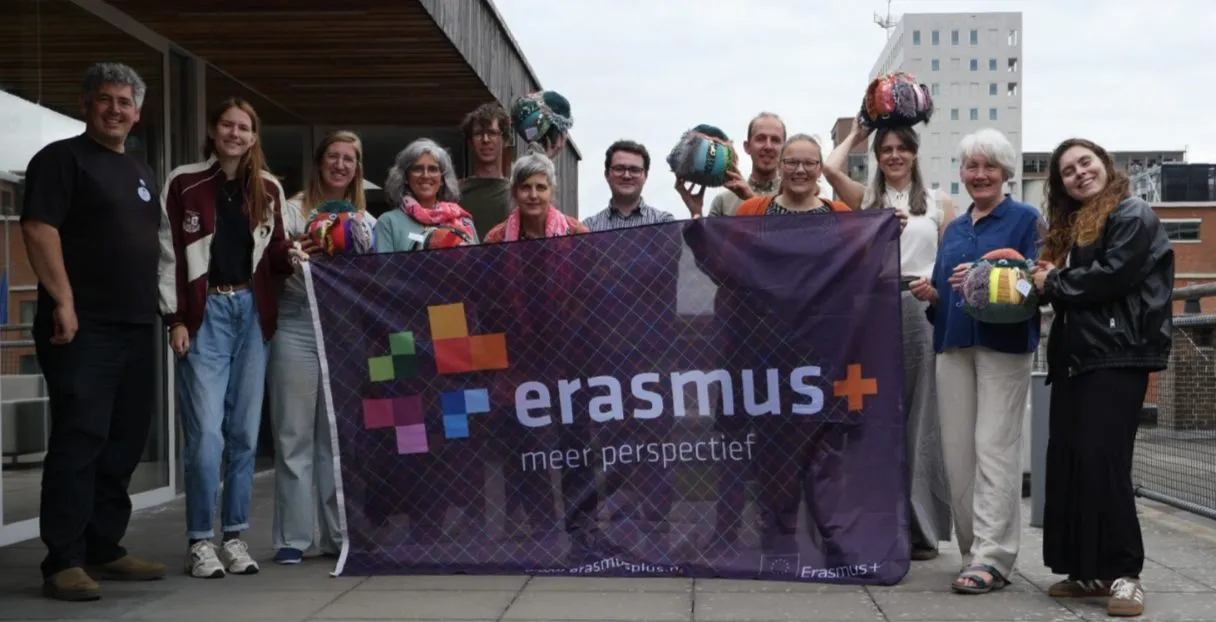
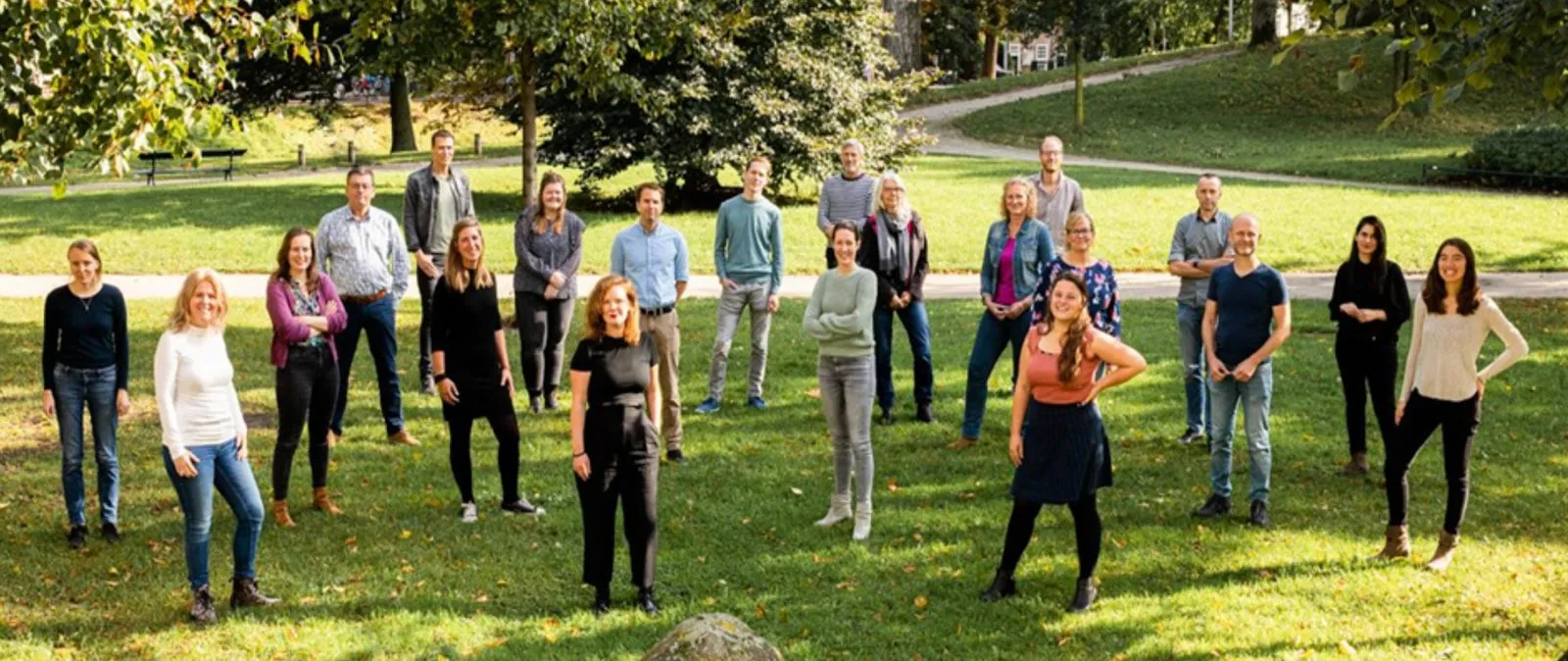
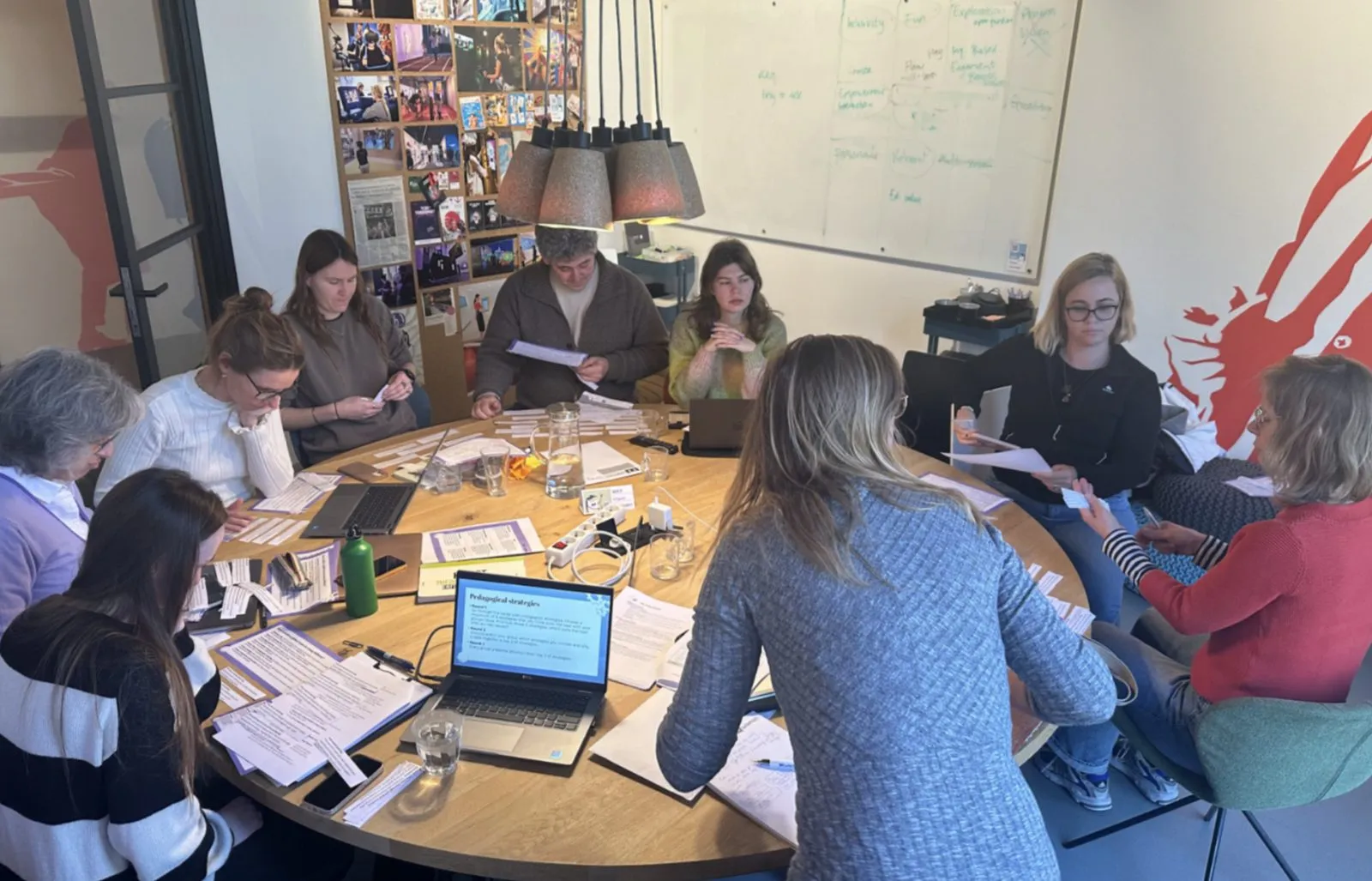
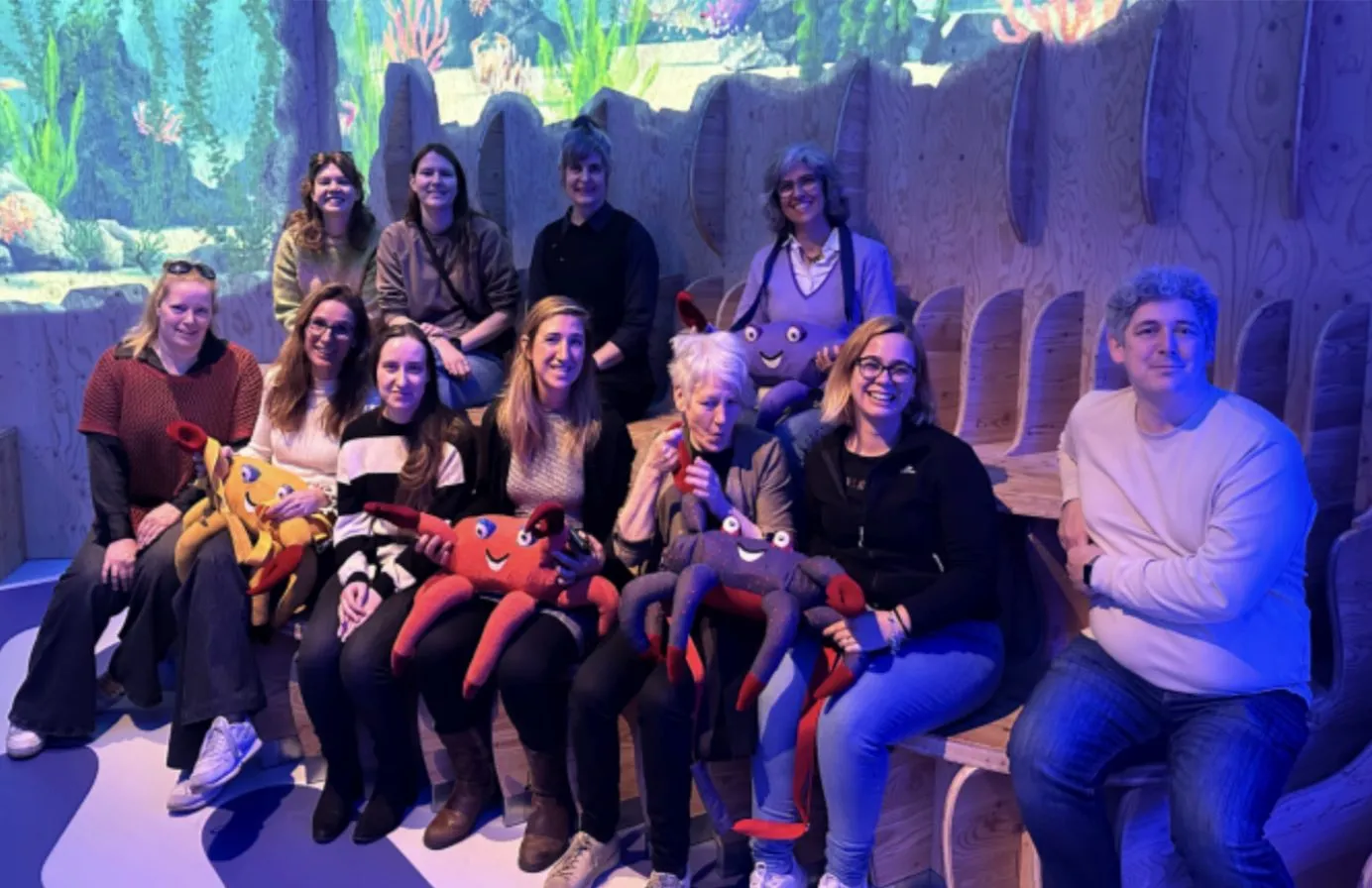
How incredibly fun and educational to meet in Leiden on March 5,6 and 7, 2024. Finally we could meet in real life to kick off the Empower the Young project, a project in which we develop tools to enable conversations with young children about today’s big issues! Among other things, we visited the Rijksmuseum in Amsterdam and the Maritime Museum in Rotterdam to try out different types of Talking Objects. We talked about the educational strategies and framework, revealed our beautiful project logo and communication strategy, learned how to program a Talking Object and planned all the deliverables. Inspired and with a positive energy we are ready to work on this project together! The atmosphere is good!